
How to Prevent Mold and Mildew in Your Custom Closet System
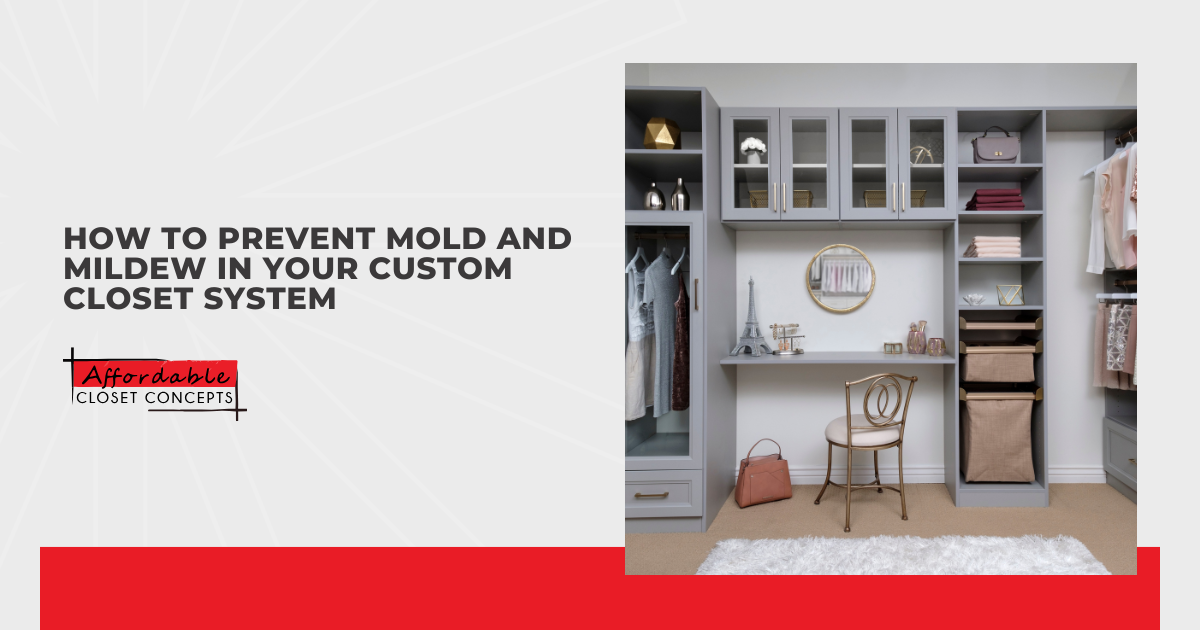
If you live in a humid climate, mold and mildew are probably two words you're very familiar with, and unfortunately, your closet is one of the first places they like to settle in. Closets naturally create the perfect conditions for mold growth, with limited airflow, low light, and trapped moisture. Most homeowners don't notice the problem until it's already gotten out of hand. When you've invested in a custom closet system, the last thing you want is for mold and mildew to compromise its structure, ruin your belongings, and turn your beautifully organized space into a health hazard.
The good news is that mold and mildew are largely preventable with the right habits and setup in place. Understanding why closets are so vulnerable is the first step toward keeping yours clean, fresh, and protected. It's also a lot easier to stay ahead of the problem than it is to deal with it after the fact, and that's exactly what this guide is here to help you do.
My goal with this guide is simple: to help you keep your custom closet system free from mold and mildew, and here's how we'll get there:
- Choose the right materials from the start
- Improve airflow and ventilation
- Control humidity inside your closet
- Keep your closet clean and clutter-free
- Use mold-resistant products and treatments
- Mind your laundry habits
- Spot the early warning signs
- Inspect and maintain your closet regularly
Let's start with the materials, because getting that right from the beginning makes everything else a whole lot easier.
Choose the Right Materials From the Start
When it comes to preventing mold and mildew in your custom closet system, the materials you choose are your first and most important line of defense. Not all closet materials are created equal, and in a humid environment, the wrong choice can make you much more susceptible to moisture damage, warping, and mold growth over time. It's one of those decisions that's a lot easier to get right upfront than to fix later.
Moisture-resistant materials like PVC, melamine, and metal are generally your best options in humid climates. These materials don't absorb water the way natural wood or untreated MDF do, which means they're far less likely to become a breeding ground for mold and mildew. If you love the look of wood, I'd recommend opting for solid wood species that are naturally more resistant to moisture, or making sure any wood-based materials are properly sealed and finished before installation.
On the flip side, untreated MDF and particleboard are two materials worth avoiding if humidity is a concern in your home. These materials are highly porous and absorb moisture quickly, which makes them especially vulnerable to swelling, warping, and mold growth. If your current closet system uses these materials, keeping humidity levels in check and ensuring good airflow becomes even more critical to protecting your space.
Improve Airflow and Ventilation
Poor air circulation is one of the biggest contributors to mold and mildew growth in closets, and it's also one of the most overlooked. When air isn't moving, moisture has nowhere to go, and it just sits there creating the warm, damp conditions that mold thrives in. Fortunately, there are some pretty straightforward ways to fix this without a major renovation.
Leaving your closet door open as often as possible is one of the easiest habits to build. It sounds almost too simple, but fresh air circulating in and out regularly makes a real difference in keeping moisture levels down. Louvered doors are another great option if you'd rather keep things closed, since they allow air to flow through without fully opening up the space.
Your home's HVAC system can also be a powerful ally here. A well-placed vent inside or near your closet keeps the air fresh and dry on a consistent basis. For closets that don't have that option, even a small portable fan or air circulator nearby can do the job and significantly cut down on moisture buildup in your custom closet system.
Control Humidity Inside Your Closet
Humidity control is really the heart of keeping your closet healthy, especially in a home where the air tends to run warm and moist year-round. Even with good ventilation and the right materials, high humidity levels can still create problems if you're not actively keeping them in check. Getting a handle on this one aspect of your closet environment can make a surprisingly big difference.
A hygrometer is a small, inexpensive tool that measures the moisture level in the air, and it's something every homeowner dealing with humidity should have. Ideally, you want to keep your closet's humidity level between 30 and 50%. Anything consistently above that range creates conditions where mold and mildew can take hold, so having a way to actually measure it takes the guesswork out of the equation.
Moisture absorbers and desiccant products are a practical solution for smaller closets that don't have direct access to an HVAC vent or a dehumidifier. For larger walk-in closets, a compact dehumidifier can be a worthwhile investment that pays for itself in prevented damage. I'd also encourage you to be mindful of everyday habits that quietly raise humidity levels, like bringing in wet umbrellas, damp shoes, or freshly dry-cleaned clothes still in their plastic wrap.
Keep Your Closet Clean and Clutter-Free
A clean, organized closet is about more than just aesthetics. Clutter blocks airflow, traps moisture, and gives mold the dark, undisturbed corners it needs to grow. The more packed your closet is, the harder it is for air to circulate freely between your belongings and surfaces. Think of decluttering not just as an organizational task, but as an active step in protecting your closet from moisture damage.
Making a habit of regularly wiping down shelves, rods, and baseboards goes a long way in keeping mold and mildew from getting a foothold. Dust and organic debris might seem harmless, but they actually give mold spores something to feed on. A quick wipe-down every few weeks with a mild cleaning solution keeps surfaces fresh and removes anything that could encourage growth over time.
How you store your belongings matters just as much as how often you clean. Overstuffing shelves and cramming clothing tightly together restricts airflow and creates pockets of stagnant, humid air. Give your clothes and items a little breathing room, and make it a point to periodically pull everything out and clean underneath and behind. It's a simple habit, but it does a lot for your custom closet system in the long run.
Use Mold-Resistant Products and Treatments
Even with the best materials, good ventilation, and a clean closet, adding an extra layer of protection with mold-resistant products is always a smart move. Think of it as a backup plan that works quietly in the background, giving you added peace of mind between your regular maintenance routines. It doesn't take much effort, but the protection it offers is well worth it.
Mold-resistant paint and primer are widely available and specifically formulated to prevent mold and mildew from taking hold on wall surfaces. Starting with your walls is a good place to focus first, especially during a new build or repaint. Making the switch to a mold-resistant formula is an easy upgrade that costs very little extra but adds a meaningful layer of defense.
Antimicrobial sprays and treatments work well on shelving, rods, and other interior surfaces where mold spores like to settle. They're easy to apply, require no special equipment, and don't take long to do. A couple of treatments a year is really all it takes to keep your custom closet system well protected.
Mind Your Laundry Habits
Your laundry habits have a bigger impact on your closet's moisture levels than most people realize, and I think this is one of the most underrated contributors to mold and mildew growth in the home. It's easy to overlook because it doesn't feel like a closet issue, but what you bring into your closet and when you bring it in matters a great deal. A few small adjustments to your routine can make a noticeable difference.
Storing damp or worn clothing is one of the most common triggers for mold and mildew in closets. Worn clothes carry body moisture, oils, and organic material that mold spores love to feed on, and damp clothes introduce direct moisture into an enclosed space. Making sure everything going into your closet is fully clean and completely dry before it gets hung up or folded away is a habit worth building.
Wet towels, gym gear, and seasonal items are also worth paying attention to. These tend to get tossed into closets without a second thought, but they can quietly raise humidity levels and create the conditions mold needs to grow. Make it a habit to air them out thoroughly before storing, or keep them in a separate, well-ventilated space to protect your custom closet system from unnecessary moisture.
Spot the Early Warning Signs
Catching mold and mildew early is everything. The longer it goes unnoticed, the more damage it can do to your closet's structure, your belongings, and even your indoor air quality. Knowing what to look for puts you in a much better position to deal with it quickly and effectively.
The most obvious sign is visible mold, which typically shows up as dark spots or patches on walls, shelving, or fabric. Mildew tends to look a little different, appearing as a flat, powdery growth that's usually gray or white in color. Both are worth taking seriously the moment you notice them, no matter how small the affected area looks.
A musty smell is often the very first clue that something is off, even before any visible growth appears. That distinct, stale odor is a sign that mold spores are present and active somewhere in your closet. Tracking down the source and addressing it right away, rather than masking it with air fresheners, is always the right move. Persistent musty smells that don't go away after cleaning are a strong signal that it's time to call in a professional to assess the situation.
Inspect and Maintain Your Closet Regularly
Everything we've covered so far works best when paired with one simple habit: regular inspection and upkeep. Regular inspections give you the chance to catch small issues before they turn into bigger, more costly problems. Consistency here goes further than any single product or fix ever could.
Monthly walk-throughs are really all it takes to stay ahead of things. Check for any changes in surface appearance, unusual smells, hardware that looks worn, or areas where moisture might be collecting. Most of the time, everything will look fine, and that peace of mind alone makes the few minutes it takes well worth it.
Doing a more thorough seasonal inspection at least twice a year is something I've seen make a real difference for homeowners who struggle with humidity in their homes. Before the most humid months hit and again at the end of them are the best times to do it. Reassess your storage layout, reapply any antimicrobial treatments, and check that your dehumidifier or moisture absorbers are still doing their job. Your custom closet system will be better off for it.
Conclusion
There's a lot working against your closet in a humid climate, but there's even more you can do to fight back against mold and mildew. From choosing moisture-resistant materials and improving airflow, to minding your laundry habits and doing regular inspections, every step you take adds up to real, lasting protection. Your custom closet system is worth the effort, and the good news is that keeping it in great shape doesn't require a major time commitment. Small, consistent habits are what make all the difference in the long run.